McAdams Dental: Scottsdale Family, Cosmetic and Emergency Dental Care!
Call Us Today to Schedule a Visit!

(480) 991-4727


11111 N. Scottsdale Road #220
Scottdale, AZ 85254
  • Home
  • Smile Gallery
  • Dr. McAdams
  • Our Team
  • Employment
  • Our Office
  • Blog
  • Dr. Gibbons
  • Radiation Safety
  • Contact
  • Dental Implants
  • INFECTION CONTROL

Unlocking the Power of Proper Oral Care: Can You Reverse Cavities and Tooth Decay?

9/7/2023

2 Comments

 
Fluoride has long been hailed as a hero in the world of dental health, playing a vital role in preventing tooth decay and fortifying enamel. Yet, despite its proven track record and widespread use, there are still misconceptions and concerns surrounding fluoride's safety and efficacy. In this blog, we delve into the essential benefits of fluoride, and address common myths that might have raised doubts in the minds of many.
Fluoride Treatment
Understanding the Basics of Fluoride:
Fluoride is a naturally occurring mineral found in soil, water, and certain foods. It has gained prominence due to its remarkable ability to strengthen teeth and prevent cavities. According to the American Dental Association, dental cavities are the most common disease for children and adults worldwide. The enamel, the outer layer of our teeth, is subjected to constant attacks by acids produced by bacteria in our mouths. These acids erode the enamel and lead to cavities. Fluoride intervenes in this process by remineralizing the enamel, making it more resistant to acid attacks and reducing the risk of decay.
 
The Benefits of Fluoride in Dental Health:
  1. Enamel Strengthening: Fluoride interacts with the minerals present in enamel, forming a more robust crystalline structure. This strengthened enamel is less susceptible to the damaging effects of acids, helping to ward off cavities.
  2. Preventing Demineralization: When bacteria break down sugars in the mouth, they produce acids that can strip minerals from the enamel, a process known as demineralization. Fluoride counters this process by encouraging the remineralization of weakened enamel, reversing early stages of tooth decay.
  3. Protection for All Ages: Fluoride benefits people of all ages, from young children whose developing teeth need extra protection to adults looking to maintain their oral health as they age.
  4. Cost-Effective Prevention: Incorporating fluoride into your oral care routine is an affordable way to prevent cavities and avoid costly dental treatments down the road.
Protect your Teeth
Addressing Concerns and Misconceptions:

Despite its proven benefits, there are persistent misconceptions about fluoride that deserve clarification:

  1. Fluorosis: One concern is that excessive fluoride consumption can lead to a condition called fluorosis, which causes faint white lines or spots on the teeth. However, fluorosis is a cosmetic issue that typically arises from consuming excessive fluoride during the tooth-forming years. The levels of fluoride in toothpaste and public water supplies are carefully regulated to prevent such occurrences.
  2. Toxicity: There are fears that fluoride is toxic, but when used as directed, it is entirely safe. In fact, many substances can be harmful in excessive amounts, including everyday items like salt and vitamins. The key is moderation.
  3. Natural Sources of Fluoride: Some people believe that naturally occurring fluoride in water is sufficient and that additional exposure through dental products is unnecessary. However, not everyone has access to fluoridated water, and even natural sources may not provide optimal levels for cavity prevention.
  4. Fluoride-Free Alternatives: While there are fluoride-free dental products available, they might not offer the same level of protection against cavities. It's essential to consult your dentist to determine the best oral care routine for your specific needs.
 
Incorporating Fluoride into Your Oral Care Routine:

  1. Fluoridated Toothpaste: Use toothpaste with fluoride as an active ingredient. For children, choose age-appropriate fluoride levels.
  2. Fluoride Treatments: Your dentist may recommend fluoride treatments during your regular dental checkups, especially for children and individuals with specific risk factors.
  3. Fluoridated Water: If your tap water isn't fluoridated, your dentist might recommend fluoride supplements, particularly for children living in non-fluoridated areas.
  4. Balanced Diet: Consume a diet rich in calcium and phosphate, as these minerals work together with fluoride to remineralize enamel.
 
Fluoride remains an essential tool in the fight against cavities and the preservation of oral health. As the evidence overwhelmingly supports its benefits and safety, concerns and misconceptions should not overshadow its importance. By incorporating fluoride into our oral care routines and understanding its role, we can all take steps towards brighter, healthier smiles for years to come.
 
We would be happy to discuss your particular situation and decide what type of preventative therapy would be best for you...Give us a call at 480-991-4727 to schedule an appointment with one of our Doctors or Dental Hygienists soon!  We can't wait to see you!
 
See what the evidence says about fluoride for your dental health!
  1. American Dental Association (ADA) Fluoride Link
  2. Centers for Disease Control and Prevention (CDC) Water Fluoridation: Link
  3. National Institutes of Health (NIH) Fluoride Information: Link
  4. Academy of General Dentistry (AGD)  Fluoride Information: Link
  5. Clinical research articles available from these sources:
    • PubMed Search for Fluoride Studies: Link
    • The Cochrane Collaboration: Cochrane reviews are considered gold standards in evidence-based healthcare research. They have conducted reviews on fluoride's effectiveness in preventing tooth decay. Cochrane Review on Fluoride Toothpaste: Link
 
2 Comments

Straight Talk about Invisalign Orthodontics

8/30/2023

2 Comments

 
When it comes to achieving a straighter smile, traditional braces are no longer the only option. Thanks to advancements in orthodontic technology, individuals seeking a more discreet and comfortable alternative can now turn to Invisalign. This revolutionary orthodontic treatment has transformed the way people straighten their teeth, offering a clear path to a confident and beautiful smile. In this blog post, we will explore the world of Invisalign and discover how it works, its benefits, and why it has become a popular choice for both teenagers and adults alike.
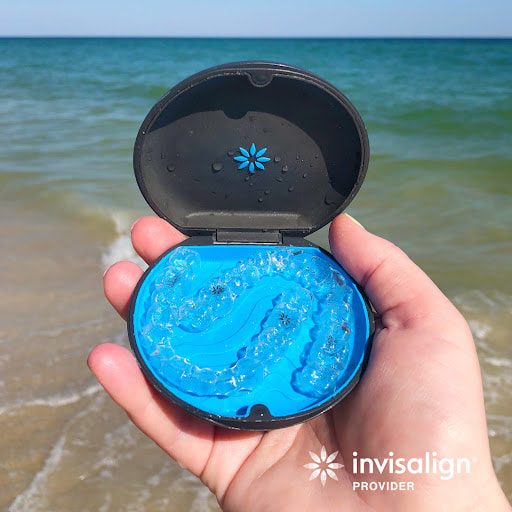
Invisalign Provider
​What is Invisalign?
Invisalign is an orthodontic treatment system designed to straighten teeth and correct various dental alignment issues. Unlike traditional metal braces, Invisalign utilizes a series of clear, removable aligners to gradually shift the teeth into their desired positions. These aligners are custom-made for each patient, ensuring a comfortable and precise fit.
 
How Does Invisalign Work?
  1. Initial Consultation: During this consultation, the dental professional will evaluate your teeth, take X-rays, take clinical photographs and a digital 3D scan of your teeth and discuss your specific goals and expectations.
  2. Customized Treatment Plan: Using advanced 3D imaging technology, your dental provider will create a personalized treatment plan that maps out the precise movements your teeth need to make to achieve the desired alignment. This technology also allows you to visualize the predicted outcome of your treatment, giving you a glimpse of your future smile.
  3. Creation of Aligners: Once your treatment plan is finalized, a series of custom-made aligners will be created specifically for you. Each set of aligners represents a different stage of your orthodontic journey, gradually moving your teeth closer to their final positions.
  4. Preparation of the teeth: 
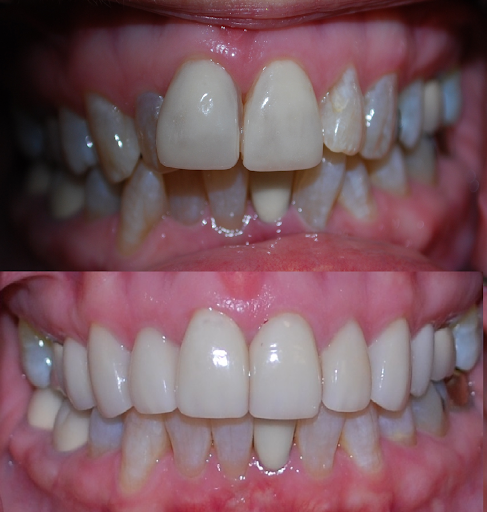
    1. Composite anchor attachments, also known as buttons or attachments, are another feature used in Invisalign treatment to enhance the aligners' effectiveness. These small tooth-colored attachments are made of a composite resin material and are strategically placed on certain teeth to provide additional grip and control, allowing the aligners to exert precise forces on the teeth for more targeted movements. These attachments are discreetly bonded to the teeth and are easily removed once the treatment is complete.
    2. Interproximal reduction (IPR) is a technique used in some Invisalign treatment plans to create space for the teeth to move into their desired positions. In certain cases where there is limited space or crowding, a small amount of enamel (about a paper's width) is gently removed from the sides of specific teeth using specialized instruments. This process is painless and helps to create room for proper alignment.
  5. Wearing the Aligners: You will be instructed to wear each set of aligners for about 20 to 22 hours a day, only removing them to eat, drink, brush, and floss. The aligners are virtually invisible, ensuring a discreet treatment experience.
  6. Progression and Switching Aligners: Approximately every one to two weeks, you will switch to the next set of aligners in the series. Each new set of aligners will continue the gentle shifting of your teeth. Regular check-ups with your dental professional will allow them to monitor your progress and make any necessary adjustments.
  7. Treatment Completion: Once you have gone through the entire series of aligners, you will have achieved your desired smile transformation. However, it is essential to remember that each individual's treatment duration may vary depending on the specific needs and goals.
Actual Invisalign Results
Actual Invisalign Results at McAdams Dental!

​Benefits of Invisalign:
  1. Discreet Appearance
  2. Improved Comfort
  3. Removable Aligners
  4. Predictable Results
  5. Fewer Dental Appointments
 
Are you looking for a Scottsdale dentist that offers Invisalign orthodontics? To find out more about if you are a good candidate for Invisalign, reach out to our office at McAdams Dental at (480) 991-4727 to make an Invisalign appointment. 
 
References:

Is Invisalign right for you? - https://www.invisalign.com/invisalign-smile-quiz
American Association of Orthodontics - https://aaoinfo.org/treatments/aligners/ 

2 Comments

Tips for Handling a Dental Emergency!

8/16/2023

2 Comments

 
​We all strive to maintain good oral health and a beautiful smile, but sometimes unforeseen dental emergencies can catch us off guard. Whether it's a sudden toothache, a broken tooth, or a knocked-out tooth, knowing how to handle these situations promptly and correctly can make a significant difference in minimizing pain, preventing further damage, and preserving your dental health. 
Toothache Treatment
What to do if you have a Toothache
Toothaches can be caused by various factors such as tooth decay, dental abscess, gum disease, or even a cracked tooth. If you experience a sudden toothache, follow these steps:
  • Rinse your mouth with warm saltwater to alleviate discomfort.
  • Gently floss around the affected tooth to remove any food particles that might be causing irritation.
  • Begin taking OTC pain medications as necessary.
  • Schedule an appointment with your dentist to diagnose and treat the underlying cause.
 
What to do if your tooth is knocked-out
Having a tooth knocked out can be a distressing experience, but quick action can increase the chances of saving the tooth. Here's what you should do:
  • Carefully pick up the tooth by the crown (avoid touching the root) and rinse it gently with water if it's dirty.
  • Try to reinsert the tooth back into the socket, ensuring it is facing the right way. Hold it in place by gently biting down on a clean piece of cloth.
  • If reinserting the tooth is not possible, place it in a container of milk or saliva to keep it moist.
  • Seek immediate dental attention. Time is crucial when it comes to saving a knocked-out tooth.
  • If you are prone to tooth injury such as this, consider purchasing Hanks Balanced Salt Solution to keep loose teeth in.  (Good advice for kids sports coaches or combat sports athletes).
Emergency Treatment

What to do if your tooth breaks or chips

Accidents happen, and a broken or chipped tooth can result from biting down on a hard object, a sports-related injury, or a fall. Follow these steps until you can see your dentist:
  • Rinse your mouth with warm water to clean the area.
  • If there is bleeding, apply gentle pressure with a clean cloth or gauze.
  • If you can find the broken fragment, store it in milk or saliva and bring it with you to the dentist.
  • Use a cold compress on the cheek near the affected tooth to reduce swelling.
​
What to do if your filling or crown falls out
A lost filling or crown can cause discomfort and leave the affected tooth vulnerable to further damage. Take the following steps:
  • Clean the affected area gently with warm water.
  • Apply dental cement or temporary dental adhesive, which can be found at most drugstores, to cover the exposed tooth surface.
  • Make an appointment with your dentist to have the filling or crown replaced or repaired.

What to do if you have a soft tissue injuries in your mouth
Injuries to the soft tissues of the mouth, including the tongue, cheeks, and gums, can occur due to accidents. Here's what you can do:
  • Rinse your mouth with warm saltwater to clean the area and reduce the risk of infection.
  • Apply gentle pressure to any bleeding areas using a clean cloth or gauze.
  • If bleeding persists or the injury is severe, seek immediate medical or dental attention.

Conclusion:
While dental emergencies can be stressful, having knowledge of how to handle them can alleviate some of the anxiety and ensure that you take appropriate action promptly. Remember, it's crucial to contact your dentist as soon as possible after experiencing a dental emergency to receive professional care. By following the steps outlined above, you can increase the chances of preserving your dental health and minimizing long-term consequences. Stay prepared, stay calm, and remember that professional help is just a call away. 

At McAdams Dental, we make sure that one of our three doctors is always on call to take calls or come in for emergencies when necessary. 

The best way to avoid dental emergencies is prevention! To schedule a dental check up appointment with us please give us a call at (480) 991-4727.

More info about Dental Emergencies:

https://www.mouthhealthy.org/dental-care-concerns/dental-emergencies

2 Comments

Dental Sealants: Protective Equipment For Your Teeth!!!

8/8/2023

2 Comments

 
Dental Sealants
Preventive dental care is the cornerstone of a healthy smile. Among the various preventive measures, dental sealants stand out as a highly effective and widely recommended option for protecting your child’s teeth against cavities.  Let's explore the benefits and importance of dental sealants in preserving your child’s dental health:

What Are Dental Sealants?

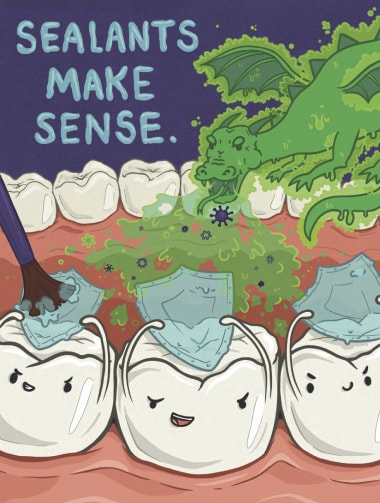
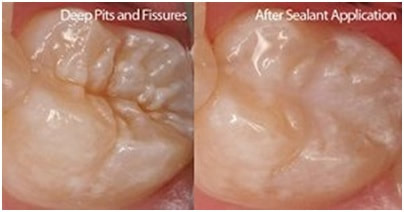
Dental sealants are thin, protective coatings made from composite resin. These coatings are applied to the chewing surfaces of your child’s back teeth (molars and premolars). The sealants act as a barrier, preventing bacteria, plaque and food particles from getting trapped in the deep grooves and fissures of these teeth, where brushing and flossing may have difficulty reaching.

Dental Sealants
The Application Process​

Applying dental sealants is a straightforward and painless process that typically takes only a few minutes per tooth and doesn’t require any shots or numbing. Our experienced dental professionals at McAdams Dental will clean the teeth thoroughly, apply a conditioning gel to roughen the tooth surface, and then paint the sealant onto the grooves of the teeth. Once the sealant is in place, it is hardened with a special curing light, ensuring a durable protective layer.
 Why Are Sealants Vital for Children?

Children are particularly susceptible to cavities due to several factors:

1.  Tooth Structure: Children’s teeth have deeper grooves and fissures, making them more vulnerable to cavity-causing bacteria.
2.  Oral Hygiene: Young children may not have developed proper brushing and flossing techniques, leaving some areas of their teeth more prone to decay.
3.  Diet: Childhood diets often include sugary snacks and drinks that can contribute to the formation of cavities.
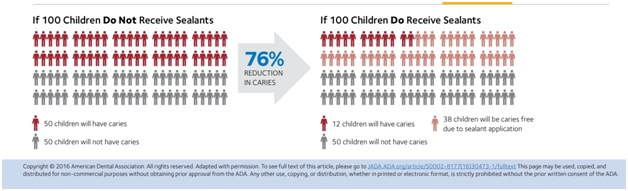
Dental Sealant Statistics
Benefits of Dental Sealants
​

 1.  Cavity Prevention: Dental sealants are incredibly effective at preventing cavities. They can reduce the risk of tooth decay by up to 80% in the first two years after application and continue to protect against cavities for several years.
2.  Cost-Effective: Investing in dental sealants is a cost-effective preventive measure. The cost of applying sealants is far lower than the expenses associated with treating cavities and other dental problems later on.
3.  Painless and Non-Invasive: The process of applying dental sealants is painless and requires no drilling or removal of tooth structure, making it an easy and comfortable experience for children.
4.  Improved Oral Health: By reducing the likelihood of cavities, dental sealants contribute to improved oral health, preserving the integrity of your child’s natural teeth and minimizing the need for more invasive dental treatments in the future.

At McAdams Dental, we believe in taking a proactive approach to dental care, especially when it comes to children. Dental sealants are a valuable preventive measure that can significantly reduce the risk of cavities, promoting long-term oral health and well-being. If you have any questions about dental sealants or want to schedule an appointment for your child, contact us today at (480) 991-4727. Let’s work together to protect your child’s bright smile!
 
See what the The American Dental Association says about dental sealants!

​www.mouthhealthy.org/all-topics-a-z/sealants
 
2 Comments

DR. GIBBONS VOTED TOP DENTIST...AGAIN!!!

8/1/2023

3 Comments

 
Each year, the dentists of Arizona are asked to vote for the best of the best, and at McAdams Dental we are proud to announce that our very own Michael Gibbons, has been voted the 2023 Top Dentist in his specialty area of Prosthodontics!
Picture

DR. GIBBONS WAS SELECTED EVERY YEAR SINCE 2003!!!!

Picture
It gets better though...Not only is he highly regarded amongst his peers; Dr. Gibbons is one of a select few (only 3 Arizona dentists actually) who are not only voted Top Dentist, but are ALWAYS VOTED TOP DENTIST!!!  Dr. McAdams and Dr. Smith are proud to work with and learn from a true master of his craft, and this award reinforces something we already knew.  Dr. Gibbons is amazing.

The number of times and categories he has been selected for is staggering...check it out below:

Cosmetic Dentistry (2021, 2020, 2019, 2018, 2017, 2016, 2015, 2014, 2013, 2012, 2011, 2010, 2009, 2008, 2007, 2006, 2005, 2004, 2003)

Prosthodontics (2023, 2022, 2021, 2020, 2019, 2018, 2017, 2016, 2015, 2014, 2013, 2012, 2011, 2010, 2009, 2008, 2007, 2006, 2005, 2004, 2003)

Dr. Gibbons is one of our amazing team members at McAdams Dental, and we would be happy to help you achieve your smile goals, ranging from getting a clean and sparkly smile with one of our Dental Hygienists, or a whole smile makeover with one of our awesome Doctors...just give us a call at 480-991-4727 to set up a consultation.  We can't wait to meet you!

Check out Dr. Gibbons and many other great Arizona things in the "Best of the Valley 2023" issue of Phoenix Magazine:

https://www.phoenixmag.com/

https://directory.phoenixmag.com/dentists/michael-j-gibbons
3 Comments

Protect Your Smile With a Night Guard!

7/13/2023

2 Comments

 
Protecting Your Smile: The Importance of Wearing a Night Guard

Maintaining optimal oral health is a lifelong commitment, and it involves more than just brushing and flossing regularly. Many individuals unknowingly subject their teeth to harmful habits such as teeth grinding and jaw clenching, which can lead to various dental problems. Fortunately, one effective solution to safeguard your smile and prevent these issues is by wearing an occlusal guard.

What is an Occlusal Guard?
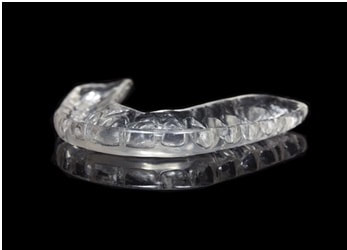
Occlusal guards, also known as night guards or bite splints, are removable oral devices that are custom-made at McAdams Dental to fit over the upper or lower teeth. These guards act as a protective barrier, cushioning your teeth against the damaging effects of grinding, clenching, and excessive forces exerted on the jaw joint during sleep or times of stress. They are typically made from high-quality, durable materials that provide a comfortable fit and allow for proper jaw alignment.
Night Guard
Preventing Teeth Grinding and Jaw Clenching:
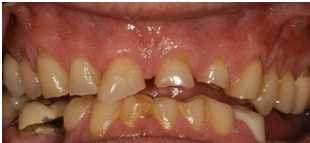
Teeth grinding, medically known as bruxism, is a common dental concern that affects both children and adults. Often occurring during sleep, this unconscious habit can lead to numerous oral health issues such as tooth wear, tooth sensitivity, and even cracked or fractured teeth. 
Bruxism
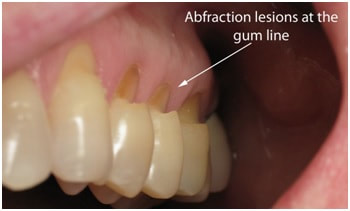
Bruxism not only poses risks to the overall structure of your teeth but can also lead to a specific type of dental damage known as abfraction lesions. Abfraction lesions are V-shaped notches that form near the gum line of teeth. These lesions are caused by the excessive flexing and bending of teeth during grinding, which leads to the breakdown of enamel and dentin.These lesions not only compromise the aesthetics of your smile but can also lead to tooth sensitivity 
Abfraction
By wearing an occlusal guard, you provide a protective barrier between your upper and lower teeth, preventing them from coming into direct contact and minimizing the damaging effects of grinding. The occlusal guard absorbs the excessive forces, reducing the risk of tooth damage and helping to alleviate associated jaw pain.

Protecting TMJ (Temporomandibular Joint):
The temporomandibular joint is a hinge-like joint that connects the jawbone to the skull. TMJ disorder, or TMD, can result from various factors, including stress, misaligned teeth, or an irregular bite. These conditions often manifest as jaw pain, headaches, clicking or popping sounds when opening the mouth, and restricted jaw movement. Occlusal guards are a valuable tool in managing TMJ disorders by promoting proper alignment of the jaw, reducing stress on the joint, and providing a more stable bite. By wearing an occlusal guard, you can alleviate the symptoms associated with TMJ disorders and improve your overall oral health.

Preserving Dental Work and Restorations:
For individuals who have undergone extensive dental treatments such as dental implants, crowns, bridges, or veneers, protecting these investments is crucial. Bruxism can place excessive pressure on these restorations, leading to their premature failure or damage. Wearing an occlusal guard provides a cushioning effect, absorbing the forces exerted during grinding or clenching and protecting your dental work. By preserving these restorations, you can avoid the need for costly repairs or replacements in the future, saving both time and money.

Enhancing Overall Sleep Quality:
Teeth grinding and jaw clenching not only affect your dental health but can also disrupt your sleep patterns and overall well-being. Chronic grinding and clenching can lead to sleep disturbances, headaches, and facial muscle soreness, leaving you feeling fatigued and irritable during the day. By wearing an occlusal guard, you can minimize these disruptive behaviors, allowing for a more restful night's sleep. Improved sleep quality positively impacts your overall health and well-being, leading to increased energy levels, better concentration, and improved mood.
Protecting your smile and preserving your oral health should be a top priority, and occlusal guards play a crucial role in achieving this goal. By wearing these custom-made devices, you can effectively prevent teeth grinding and help protect your teeth, TMJ and dental work. To learn more about how a night guard might be beneficial for you, give us a call today at McAdams Dental to schedule your appointment. (480) 991-4727

More resources:
https://www.mouthhealthy.org/all-topics-a-z/teeth-grinding
https://www.mayoclinic.org/diseases-conditions/bruxism/symptoms-causes/syc-20356095


2 Comments

Oral Cancer Awareness

5/22/2023

0 Comments

 
Here at McAdams Dental, we aren’t just tooth mechanics. The mouth is the gateway to the body, and when you receive a dental exam in our office, we make sure we evaluate how the oral cavity and head and neck area can affect your systemic health, including checking for signs of oral cancer. Oral cancer is a potentially deadly disease that affects thousands of people every year. Unfortunately, many patients are unaware of its existence until it has progressed to a more serious stage. As dental professionals, it is crucial for us to help educate our patients about the importance of oral cancer screenings and why they should be an essential part of their dental checkup routine.
 
The American Cancer Society’s estimated number of new oral cancer and pharynx cancer cases in the U.S. in 2022 is 54,000!
 
What is Oral Cancer?
 
Oral cancer includes cancer of the lips, tongue, cheeks, throat, and floor/roof of the mouth. The disease can spread quickly and affect neighboring tissues, which is why early detection is so critical. In some cases, oral cancer can spread to other parts of the body, making it even more dangerous.
 
Who is at Risk?
 
Anyone can develop oral cancer, but certain factors can increase the likelihood of getting it.

These include:
- Smoking or using tobacco products. 
**About 85% of patients with oral cancer use 
tobacco products in one of its forms.**
- Excessive alcohol consumption
- Exposure to the HPV virus
- Poor nutrition
- Family history of cancer
- UV radiation exposure to the lips
 
Why are Oral Cancer Screenings Important?
 
Oral cancer screenings are crucial in detecting any signs of oral cancer early, when treatment is most successful. During a screening, a dentist looks for irregularities on the mouth, lips, throat, and surrounding tissues. Common symptoms associated with oral cancer include:
 
- Red or white patches on the gums or tongue
- A lump or bump on the tongue, gums, or throat
- Difficulty swallowing
- A persistent sore throat
- Unexplained bleeding
 
What to Expect During an Oral Cancer Screening
 
A typical oral cancer screening starts with a visual examination of the mouth, throat, and surrounding tissues. The dentist will then feel the neck and jaw area for any lumps or enlarged lymph nodes as well as palpate the jaw joint for any pops, clicks or discomfort while opening or closing your mouth. During this time, you may be asked questions about your medical history to help assess your risk factors.
 
If any suspicious areas are discovered during the exam, we will document any findings and set up another appointment to reevaluate the area after a few weeks. Most oral lesions will resolve on their own in that time frame. If a lesion does not resolve, you may need to undergo other diagnostic tests or a tissue biopsy to further assess the area. However, it is essential to remember that most oral cancer screenings will reveal no suspicious areas, and there is no need for concern.
 
Oral cancer can be a devastating and life-threatening condition. However, early detection through regular oral cancer screenings can significantly improve the chances of successful treatment. Dr. McAdams experienced this situation first hand when he discovered a lesion in a patient’s mouth during a routine dental examination that concerned him enough to order a biopsy.  Pathology reports indicated that a small white bump in the area where a molar had been extracted recently was an uncommon form of carcinoma.  When caught early (like this was), oral cancers can be removed entirely and without complication.  When allowed to progress unchecked, oral cancers can lead to complete removal of the tongue, lower jaw or in severe cases can be fatal.
 
How often are the oral screenings done in the office?
 
At McAdams Dental, we conduct a head and neck exam every time you have a dental check up and cleaning. If it has been a while since your last checkup, make an appointment with us today to schedule your next oral cancer screening.
0 Comments

RADIATION SAFETY!

4/6/2023

2 Comments


Why Do I Need X-rays?
Did you know that dentists, even with our high powered headlight and magnifying glasses, can only see about 1/3 of your tooth? Dental x-rays help our dentists to find, diagnose and treat dental problems that may not be visible through visual examination alone.
 
Dental x-rays are used to:
●Find cavities between the teeth (dental caries)
●Determine the number, size and position of teeth in the mouth
●Check for bone loss caused by periodontal disease (gum disease)
●Check for tooth infections and see tumors or cysts in their early stages.
●Check for any other tooth or bone abnormalities
 
Without the use of dental x-rays, dentists are not able to diagnose problems in the mouth until they become very large. This leads to more infections, broken teeth, patient discomfort and possible tooth loss. X-rays allow for early diagnosis and treatment of dental problems, which in turn helps patient to avoid larger dental procedures like root canals, crowns and extractions.
 
Early diagnosis and treatment is critical in situations involving tumors. We check for tumors during your routine dental examination and have a history of finding cancerous lesions in patients that were able to receive potentially lifesaving treatment due to timely x-rays and examination.
 
Are Dental X-Rays Safe?
Dental x-rays are considered very safe. Here at McAdams Dental we practice a radiology safety technique called ALARA, which stands for As Low As Reasonably Achievable. This means that we will only expose a patient to the minimum amount of radiation necessary to help diagnose and treat them properly. In order to achieve this, we now use an all digital x-ray system.  This upgraded technology allows us to limit your radiation exposure to the lowest possible limits...in fact, our digital x-rays produce 90% less radiation than traditional film x-rays.
 
How much radiation will I get from dental X-Rays?
The amount of radiation absorbed by the body is measured by a unit called microsieverts (mSv). In a typical day, the average American will absorb about 10 mSv as background radiation. Absorption for a routine set of 4 bitewing x-rays, used to check for cavities, is only about 0.8 mSv.

​See the table below for some common radiation absorption amounts from our everyday lives.
Picture
​Are Dental X-Rays Safe During Pregnancy?
During your pregnancy, x-rays may be needed as part of your treatment plan for a dental disease. According to the American College of Obstetricians and Gynecologists, dental care, including dental x-rays, are safe during pregnancy. Use of a lead apron with a thyroid collar will protect you and your baby from radiation exposure.
 
 
How Often Do I Need Dental X-Rays?
How often dental x-rays are taken depends on
●Age of the patient and development of teeth
●Oral health and clinical findings
●Patient’s risk for dental caries and/or periodontal disease
●Presence of signs or symptoms of oral disease or infection.
X-rays may be prescribed as often as 6 months, or as long as 24 months, depending on the individual patient’s risk factors. In our office, we typically recommend most patients get diagnostic bitewing images yearly and a panoramic image every 5 years.
 
If you are interested in learning more about dental x-rays, or in having a full dental examination, please contact McAdams Dental to make an appointment today. Our staff will be more than happy to answer any questions or concerns and make sure you feel comfortable and safe throughout all your dental care.  (480) 991-4727
2 Comments

Same Day Crowns?  Yep!  We do that...

3/2/2023

21 Comments

 
Same Day Dental Crowns in Scottsdale, Arizona

At McAdams Dental, we understand that your time is valuable. By using the latest technologies like CEREC Intraoral Scanning and In Office Milling of Porcelain or Zirconia crowns, we are able to provide single appointment, same day crowns for our patients in many situations. No more waiting for two weeks for the lab to make your new crown. We are able to make your custom fit, high quality crown in one single appointment.

Why might I need a same day crown?
There are many reasons why a patient might require a same day dental crown. Sometimes a tooth can be repaired with other methods like bonding or smoothing, but a same day dental crown is necessary when a tooth:
  • Is broken or cracked
  • Has had root canal treatment
  • Has failing existing dental fillings
  • As part of your cosmetic goals
  • Is discolored or misshapen
  • Is being used as part of a dental bridge

How is a Same Day CEREC Crown made?

At McAdams Dental, your same day crown is custom fabricated using the CEREC CAD/CAM milling system. The tooth is prepared for a crown and we use a high quality camera to take a 3D digital scan of your teeth (No more messy impression material that sits in your mouth for 5 minutes). We then use our computer assisted design tools to customize your crown to the proper shape and contour and make sure that it will be comfortable and healthy for your bite. The digital design is then sent to our milling machine that will process your same day crown in minutes. After trying in and confirming the proper fit and comfort of the crown, the same day crown is then polished, glazed and placed in our in office furnace for finalization. After cooling, your same day crown is cemented into your mouth and ready for action.


Do you still make traditional crowns at McAdams Dental?

Sure we do!  Every situation requires an exam and careful consideration of the best materials.  At times, we may recommend a crown without same day crown technology.  There are certain times when the best option is a gold crown, or times when a cosmetic crown may require a lab for custom color matching. 

Traditional crowns are processed in multiple appointments. Patients will be placed in a temporary crown for about 2 weeks while the dental lab makes their crown. It is important for patients to be careful to not eat anything hard, sticky or chewy on their temporary crown, or risk it breaking or coming loose, leading to more appointments and discomfort. Patients typically also will need to be numb for multiple visits, including when the final crown is delivered after two weeks.

If you are looking for a dentist using the latest technology to make your visits as easy as possible, give us a call to set up a consultation.  We would love to help you achieve a comfortable and beautiful smile of your dreams.

McAdams Dental Is conveniently located In Scottsdale, Arizona near the intersection of Scottsdale Road and Shea Boulevard.  

​Our awesome front desk team is waiting for your call at 480-991-4727.
21 Comments

Meet Desiree, Our Newest Dental Hygienist!

1/23/2023

4 Comments

 
Picture
As you may know, we have had some issues with availablity for cleaning appointments recently, and we have taken our time to find an awesome new team member to help out with your needs!  It wasn't an easy search because we needed to find a good "fit" for our style...she is equally as friendly and entertaining as she is technically proficient and well educated on the latest in clinical dental hygiene theory. 

Meet Desiree, our newest Dental Hygienist...she is available currently on Wednesdays and Thursdays to keep your smile healthy and provide you some flexibility in scheduling...as she gets busier, we will bring her on for more days!

A few words from Desiree;
 
"Hi!  My name is Desire.  A little bit about me, I was born in Mesa, Arizona.  In my free time I like taking day trips up North, hiking with my very needy German Shepard puppy, going to live music events or simply staying in and binge watching movies.  I graduated from Phoenix College where I got my education in Dental Hygiene.  After working full time in an office and temping at multiple locations around the valley, I found McAdams Dental.  While it has been fun trying different offices, I feel fortunate enough to be at McAdams Dental part time for now and eventually full time in the future!"
4 Comments
<<Previous
Forward>>

    Author

    McAdams Dental maintains this blog to keep our patients in the know about things at our office!

    Archives

    June 2024
    January 2024
    December 2023
    November 2023
    October 2023
    September 2023
    August 2023
    July 2023
    May 2023
    April 2023
    March 2023
    January 2023
    August 2022
    June 2021
    June 2020
    May 2020
    April 2020
    September 2019
    August 2019
    July 2019
    March 2019
    November 2018
    June 2016
    August 2015
    April 2015
    February 2015
    July 2014
    May 2014
    September 2013
    August 2013
    July 2013
    May 2013
    April 2013
    March 2013
    January 2013
    December 2012
    October 2012
    August 2011

    Categories

    All

    RSS Feed

McAdams Dental Scottsdale AZ
Providing flawless dental services to satisfied patients is what we take pride in as a dental team that values compassion and patient relationships!
Quick Links
  • Home
  • Smile Gallery
  • Blog
  • Patient Forms
  • Contact Us
Get In Touch
11111 N. Scottsdale Road #220
Scottsdale, AZ 85254
Call us at:  480-991-4727
Or:  480-368-0060
Email us:  [email protected]